
Generation Z faces an unprecedented mental health crisis
Generation Z faces an unprecedented mental health crisis, marked by heightened stress, burnout, and psychological challenges. Economic pressures, job market uncertainties, and the pervasive influence of social media are primary contributors to these issues. The COVID-19 pandemic has further intensified these struggles, disrupting education, employment opportunities, and social development. Tackling these challenges requires a multifaceted approach, including accessible mental health support, workplace flexibility, and policies designed to enhance economic stability for young adults.
Adolescents are particularly susceptible to mental health disorders, with common issues such as anxiety, depression, and behavioral disorders becoming increasingly prevalent. According to the World Health Organization, 13% of individuals aged ten to nineteen globally are diagnosed with a mental health condition. Tragically, suicide remains the fourth leading cause of death among those aged fifteen to nineteen. The pandemic has exacerbated these issues, leading to heightened stress, anxiety, and feelings of uncertainty among young people.
Sleep deprivation is another critical concern for Generation Z, with far-reaching implications for mental and physical health. Factors such as poor sleep hygiene, excessive screen time, and academic pressures contribute to inadequate rest. Insufficient sleep is strongly linked to low mood, anxiety, depression, and impaired cognitive functioning. Alarmingly, studies reveal that only about half of U.S. children get enough sleep during the school week. Addressing this issue requires promoting better sleep practices and raising awareness about the essential role of rest in mental well-being.
Social media, while providing opportunities for connection and support, has a dual-edged impact on adolescent mental health. Excessive use is associated with increased risks of anxiety, depression, and exposure to cyberbullying. Establishing healthy boundaries, balancing online and offline interactions, and fostering digital literacy are essential steps to mitigate these adverse effects.
Addressing the mental health challenges of Generation Z necessitates a comprehensive and collaborative strategy. Key measures include:
Expanding access to affordable and effective mental health services.
Promoting education on healthy digital habits and the responsible use of technology.
Encouraging supportive environments at home, in schools, and in workplaces.
Implementing policies that prioritize economic stability and workplace flexibility.
It is imperative for policymakers, educators, healthcare professionals, and families to work collectively to safeguard the mental health of this generation. By fostering resilience and providing the necessary support systems, we can ensure that Generation Z is equipped to navigate the challenges of the modern world with confidence and well-being.
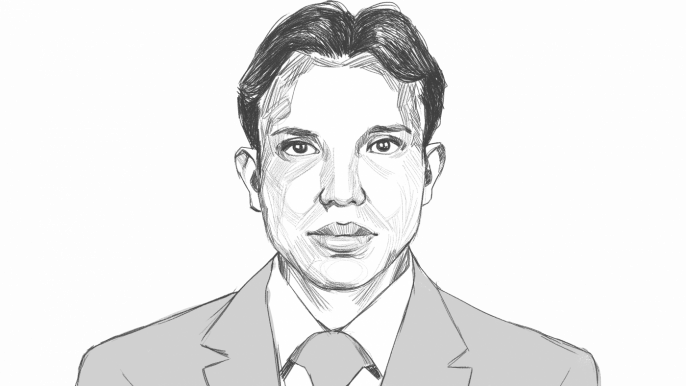
Mazharul Islam,
Corporate Legal Practitioner,
Member of Harvard Business Review Advisory Council.
He can be reached at mazhar@insightez.com