
The trap of doing it all
The “trap of doing it all” is rooted in a misunderstanding of leadership and personal limitations. Leaders often feel compelled to address every task on their endless to-do lists, driven by a desire to prove their capability, meet stakeholder expectations, or simply keep the organization afloat. However, this approach is unsustainable and counterproductive. In “Leaders Shouldn’t Try to Do It All,” A.G. Lafley and Roger L. Martin illuminate the exhausting cycle many leaders fall into: believing that working harder and taking on more responsibilities will solve organizational challenges.
The Consequences of Doing Too Much
Burnout: Constant overextension leads to physical and mental exhaustion, reducing a leader’s ability to think strategically or make sound decisions.
Diminished Productivity: Overworking often results in declining efficiency, where more effort yields less impactful outcomes.
Missed Opportunities: By spreading themselves too thin, leaders fail to focus on high-priority, high-impact areas that could drive meaningful progress.
Talent Underutilization: Taking on everything prevents leaders from empowering their teams, leading to underdevelopment of employees and organizational stagnation.
Why Leaders Fall Into the Trap
Cultural Expectations: Societal and organizational norms often glorify leaders who work tirelessly, equating busyness with competence.
Perfectionism: Many leaders fear delegating because they believe no one else can execute tasks to their standards.
Lack of Clarity: Without a clear strategy or prioritization, leaders may feel compelled to address every issue equally.
Short-Term Focus: Overwhelmed leaders often focus on immediate problems rather than long-term goals, exacerbating their workload.
Escaping the Trap: Shifting Leadership Mindsets
Prioritize Ruthlessly: Leaders must identify the few critical areas that will make the biggest difference and focus their energy there. This requires saying “no” to less important tasks, even if they seem urgent.
Delegate Effectively: Trusting others with responsibilities not only lightens the leader’s load but also develops the skills and confidence of team members.
Adopt Strategic Patience: Long-term success often involves tackling fewer initiatives with greater depth and consistency, rather than spreading resources too thin.
Set Boundaries: Leaders must recognize their limits and model work-life balance, setting a healthy example for their teams.
The Role of Strategic Leadership
True leadership isn’t about doing everything; it’s about doing the right things. Leaders who resist the urge to “do it all” can focus on guiding their organization toward its goals, ensuring sustainable progress. By prioritizing effectively and empowering their teams, they can elevate their impact without sacrificing their well-being or long-term success.
This approach not only benefits the leader but also creates a healthier, more engaged, and higher-performing organization. When leaders avoid the trap of overextension, they unlock their full potential and that of their teams.
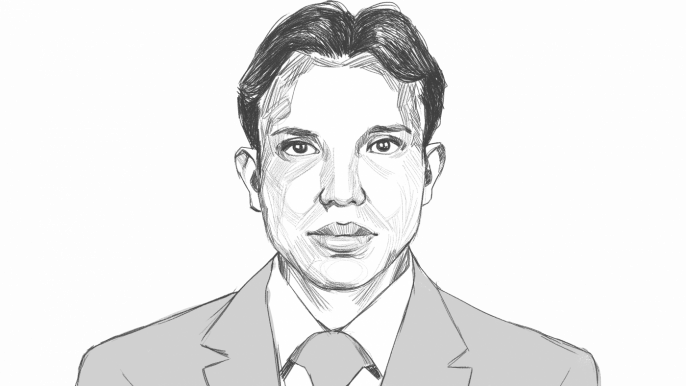
Mazharul Islam,
Corporate Legal Practitioner,
Member of Harvard Business Review Advisory Council.
He can be reached at mazhar@insightez.com