
Future-Ready Workforce: Leadership in a Tech-Driven Era
In today’s rapidly evolving business landscape, traditional approaches to talent management are increasingly misaligned with organizational needs. A McKinsey report highlights that companies often prioritize candidates’ past experiences over their current skills or potential, leading to a significant talent drain as over 80% of role changes involve employees moving to different employers. This practice underscores a critical oversight in fostering internal mobility, resulting in lost value and diminished employee engagement.
To address these challenges, organizations must transition from rigid structures and hierarchical silos to more dynamic and flexible models. The Q1 2025 edition of Gartner Business Quarterly emphasizes the urgency of this shift, especially in the face of global labor shortages. Key strategies include scaling automation while simultaneously investing in employee development, promoting effective human-machine collaboration, integrating human-centric approaches into generative AI strategies, and empowering business leaders to co-lead digital initiatives alongside CIOs. These measures aim to create a future-ready workforce capable of adapting to technological advancements and evolving market demands.
Effective people management in the coming years will necessitate a heightened focus on employee engagement, development, satisfaction, and productivity. This involves the fluid allocation of skills to tasks that add the most value and a greater emphasis on human-centric leadership. Organizations will need to leverage predictive data to enhance workforce planning and overall performance. Real-time strategic adjustments will enable companies to anticipate shifts, dynamically align skills with evolving needs, and efficiently deploy talent. With a robust data foundation, interventions such as hiring, insourcing, outsourcing, upskilling, and reskilling can be seamlessly implemented. These efforts should not be isolated initiatives but part of an ongoing cycle of adaptation, reallocation, and continuous improvement.
In essence, building a future-ready workforce requires a paradigm shift in how organizations approach roles, mobility, and leadership. By embracing technological tools and fostering a culture of continuous learning and flexibility, companies can not only navigate the complexities of the modern labor market but also thrive in it.
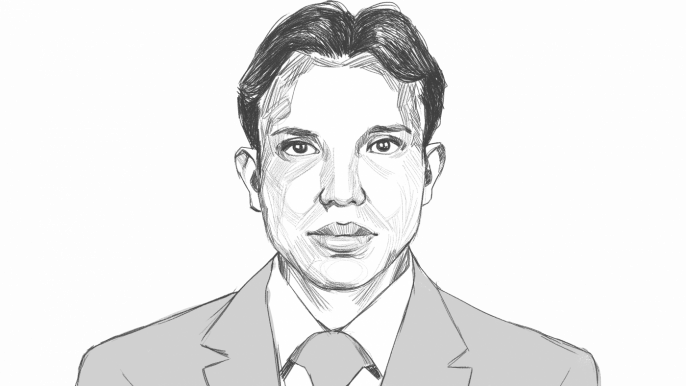
Mazharul Islam,
Corporate Legal Practitioner,
Member of Harvard Business Review Advisory Council.
He can be reached at mazhar@insightez.com