
Ignoring responsibility today ensures someone else pays tomorrow
The statement “Somebody is going to have to pay because somebody has not paid” reflects the fundamental principle of liability and responsibility for debts or obligations. The statement highlights the legal principle that individuals and entities are responsible for their obligations. When a party fails to meet those obligations, they can be held liable for the resulting consequences, which often involve financial compensation to the aggrieved party.
It encapsulates the inevitability of consequences when obligations are neglected. It underscores the idea that deferred responsibilities or unpaid debts do not vanish—they shift burdens to others, often compounding over time.
The phrase emphasizes that inaction or negligence creates a debt—financial, moral, or ecological—that someone, somewhere, will ultimately bear. It challenges individuals and systems to address obligations proactively, as deferred costs often grow and harm broader communities.
For example, if someone avoids accountability for wrongdoing (e.g., fraud, abuse), victims or communities may “pay” emotionally, financially, or socially. Parents neglecting familial duties might leave children to “pay” through emotional trauma or financial instability.
Below is a breakdown of its meaning across contexts:
1. Financial Accountability
If a person or entity fails to pay a financial obligation (e.g., loans, taxes), the cost may fall on others. For example:
- A company evading taxes might force governments to cut public services or raise taxes elsewhere, making society “pay.”
- Defaulting on a loan could lead to creditors recovering losses by raising fees for others.
2. Environmental and Social Costs
When businesses pollute without bearing cleanup costs (negative externality), future generations “pay” through environmental degradation, health issues, or climate crises.
If institutions underfund education or healthcare, society may “pay” through increased crime, poverty, or public health emergencies.
3. Legal and Contractual Obligations
If one party fails to fulfill terms (e.g., unpaid wages), legal action may force compensation, transferring the cost back to the negligent party.
Lax enforcement of safety standards (e.g., in construction) might lead to disasters, forcing taxpayers or victims to “pay” for recovery.
4. Moral and Interpersonal Responsibility
If someone avoids accountability for wrongdoing (e.g., fraud, abuse), victims or communities may “pay” emotionally, financially, or socially.
Parents neglecting familial duties might leave children to “pay” through emotional trauma or financial instability.
5. Systemic and Metaphorical Implications
Similar to “There’s no such thing as a free lunch” or “Karma,” the phrase warns that unaddressed imbalances eventually demand redress. Short-term profit-seeking (e.g., corporate greed) can lead to long-term societal costs like inequality or resource depletion.
Whether literal or metaphorical, the principle remains: ignoring responsibility today ensures someone else pays tomorrow.
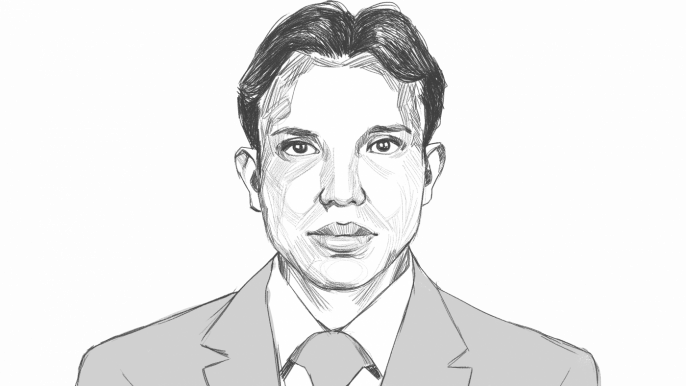
Mazharul Islam,
Corporate Legal Practitioner,
Member of Harvard Business Review Advisory Council.
He can be reached at mazhar@insightez.com