
What is a Notary Public and Why Do We Need One?
Have you ever had to get a document notarized? It’s a common requirement for many legal and official processes. But what exactly does “notarized” mean?
A notary public is a public officer who is authorized to witness and certify the signing of important documents. The word “notary” comes from the Latin word “nota,” meaning “note,” and “arius,” meaning “pertaining to.” In simpler terms, a notary is a person who takes notes or records official acts.
In Bangladesh, as in many other countries, notaries are typically lawyers who have undergone additional training and certification. They play a crucial role in ensuring the authenticity and legality of various documents.
Why Do We Need Notaries?
Notaries are essential for several reasons:
- Verification of Identity: Notaries verify the identity of the person signing a document, ensuring that the person is who they claim to be.
- Ensuring Voluntariness: Notaries ensure that the person signing a document is doing so voluntarily and without coercion.
- Preventing Fraud: By certifying documents, notaries help prevent fraud and forgery.
- Admissibility in Court: Notarized documents are often required as evidence in legal proceedings.
Common Uses for Notarization:
- Affidavits: Sworn statements used for various purposes, such as court cases and immigration.
- Power of Attorney: Legal documents that grant another person the authority to act on your behalf.
- Deeds: Legal instruments used to transfer ownership of real estate.
- Contracts: Formal agreements between two or more parties.
- Oaths and Affirmations: Formal declarations made under oath.
How Does Notarization Work?
To get a document notarized, you’ll typically need to:
- Find a Notary: Look for a notary public in your area. They are often lawyers or law offices.
- Bring Required Documents: You’ll need to bring the document you want notarized, along with a valid government-issued ID.
- Appear in Person: You’ll need to appear in person before the notary to sign the document.
- Pay the Fee: There is usually a fee for notarization services.
Avoiding Scams
It’s important to be aware of common scams related to notarization:
- Overcharging: Some notaries may charge excessive fees.
- Remote Notarization: While some jurisdictions allow remote notarization, be cautious of individuals claiming to offer this service without the proper authorization.
- Forgery: Some people may try to forge notarized documents.
To protect yourself:
- Verify the Notary’s Credentials: Ensure that the notary is licensed and authorized to perform notarizations.
- Check Fees: Ask about the fees upfront and compare them to the standard rates in your area.
- Be Present: Always be present when your document is being notarized.
Who Can Become a Notary Public?
In Bangladesh, individuals who meet certain qualifications, such as being a practicing lawyer for a specified period, can apply to become notaries public. The specific requirements may vary, so it’s essential to consult the relevant laws and regulations.
By understanding the role of a notary public and taking precautions to avoid scams, you can ensure that your important documents are properly notarized and legally binding.
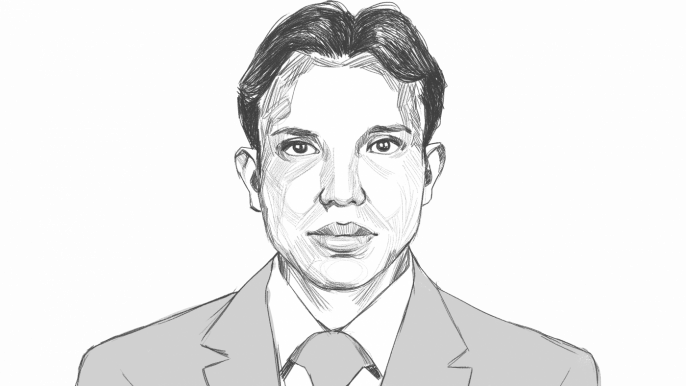
Mazharul Islam,
Corporate Legal Practitioner,
Member of Harvard Business Review Advisory Council.
He can be reached at mazhar@insightez.com