
Examining Risk Governance, Reporting, and Strategy in an Interconnected Way Within the Wider Governance System
Governance is far more than a checklist of rules or a set of disconnected processes. It is a complex, dynamic system encompassing behaviors, practices, norms, cultures, and values that collectively steer an organization toward its purpose.
To fully appreciate its impact, key components—such as corporate strategy, risk management, and external reporting—must be examined not in isolation, but as interdependent elements working together to achieve a unified goal. When these aspects are misaligned or disconnected from an overarching purpose, even the most robust strategies can falter, and risk management efforts can lose their effectiveness.
Consider a business with a meticulously crafted strategy aimed at securing market leadership. Without a corresponding focus on managing risks that could derail this ambition or engaging stakeholders to secure their buy-in, the strategy risks collapsing at the first sign of trouble.
Equally, when risk management is treated as a standalone activity—divorced from the broader purpose or strategic intent—it becomes a reactive exercise, ill-equipped to address the cascading implications of risks materializing.
This interconnectedness underscores why businesses must adopt a holistic approach to governance, weaving strategy, risk management, and reporting into a cohesive framework that drives purpose.
Achieving good governance is already a challenge for many organizations, but transforming business models to align with a purpose—such as sustainability—can feel even more daunting. In a business-as-usual (BAU) landscape, where short-term priorities often dominate, embarking on a purpose-driven journey requires clarity and structure.
Fortunately, three core components of governance provide a practical starting point: strategy, risk management, and reporting.
These elements, when approached as an integrated system, enable businesses to enact and sustain their purpose effectively.
Strategy: Defining the Path Forward
Strategy answers the question, “What is our plan?” It sets the direction for achieving an organization’s purpose and generating value. In purpose-driven organizations (PDOs), the strategy is not merely a roadmap for profit but a blueprint for fulfilling a broader mission. As outlined in ISO 37000 (ISO/TC 309, 2021:17–19), this involves clearly communicating the plan to internal and external stakeholders and fostering an environment where innovative efforts aligned with the purpose are recognized and rewarded. A well-defined strategy provides the foundation upon which all other governance activities are built, ensuring that every decision and action contributes to the ultimate goal.
Risk Management: Safeguarding the Plan
No strategy exists in a vacuum—uncertainty is an inherent part of any future-oriented plan. Risk management addresses the question, “How could events undermine the achievement of this plan?” Effective risk governance, overseen by the board, involves not just identifying risks but understanding how they could impact the organization’s purpose, value generation, and strategic outcomes. According to ISO 37000 (ISO/TC 309, 2021:31–32), this requires proactive oversight and robust internal controls to prepare for uncertainties. By anticipating and mitigating risks, businesses can protect their strategic objectives and maintain momentum toward their purpose, even in the face of unexpected challenges.
Reporting: Ensuring Accountability and Alignment
Reporting answers the question, “To whom are we accountable for our performance?” It serves as a bridge between the organization and its stakeholders, both internal and external. Transparent and comprehensive reporting—covering governance, performance metrics, risks, opportunities, and value creation—keeps stakeholders informed and empowers them to play their roles effectively (ISO/TC 309, 2021:23). Externally, it builds trust and credibility; internally, it provides a decision-making guide for employees and leadership. When reporting reflects the organization’s purpose and ties it to tangible outcomes, it reinforces the alignment of strategy and risk management, creating a feedback loop that strengthens governance as a whole.
The Interplay of Strategy, Risk Management, and Reporting
These three components are not standalone pillars but interlocking pieces of a larger puzzle. As highlighted by Course Convenor Mario Abela, their interplay is critical to achieving a purpose-driven governance model. Strategy provides the direction, risk management ensures resilience, and reporting fosters accountability and engagement. Together, they form a system that is greater than the sum of its parts, enabling organizations to navigate complexity and pursue sustainable outcomes.
For example, a business aiming to transition to a low-carbon model might develop a strategy focused on renewable energy adoption. Risk management would identify potential obstacles—such as supply chain disruptions or regulatory shifts—and devise contingencies. Reporting would then communicate progress to investors, regulators, and employees, ensuring transparency and maintaining support. When integrated, these efforts reinforce one another, driving the business toward its sustainability purpose with clarity and confidence.
Frameworks for Transformation
Practical frameworks like ISO 37000 and the Business Transformation Framework (BTF) offer valuable guidance for businesses seeking to align risk governance, reporting, and strategy with a sustainable future. ISO 37000, in particular, emphasizes the importance of purpose as the cornerstone of governance, providing principles and practices to integrate these elements effectively. However, there is no one-size-fits-all solution. Each business must tailor its transition plan to its unique context—its industry, stakeholders, and operational realities—ensuring that the approach is both actionable and impactful.
Insights from Experts
David Styles, Director of Corporate Governance and Stewardship at the Financial Reporting Council, emphasizes the role of transparency and integrity in risk mitigation. He argues that honest communication about risks builds trust and enhances an organization’s ability to manage them effectively—a critical factor in aligning governance with purpose.
Similarly, Liv Watson, co-chair of the Carbon Call Expert Advisory Group, highlights the power of data in driving decision-making. With her expertise in non-financial reporting, Watson underscores how integrated reporting can create resilience by providing a clearer picture of risks, opportunities, and performance in a rapidly changing organizational context. Together, these insights reinforce the need for a connected approach to governance.
Moving Toward Purpose-Driven Governance
By weaving risk governance, reporting, and strategy into a cohesive system, businesses can better equip themselves for a purpose-driven transition. This interconnected approach not only enhances resilience and accountability but also positions organizations to contribute meaningfully to a sustainable future. While the journey may be complex, starting with these three components offers a clear and actionable path forward. As businesses evaluate their own contexts and apply frameworks like ISO 37000, they can chart a course that aligns their operations with their values—unlocking new opportunities for growth and impact in the process.
Reference
International Organization for Standardization Technical Committee 309 (ISO/TC 309). 2021.
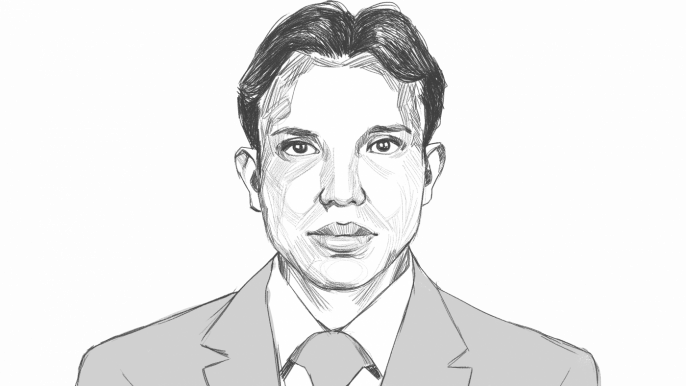
Mazharul Islam,
Corporate Legal Practitioner,
Member of Harvard Business Review Advisory Council.
He can be reached at mazhar@insightez.com