
What the UN AI Resolution Means for the World
The United Nations’ recent adoption of a new resolution on AI governance is a historic step, but it’s not without its challenges. While it’s a monumental achievement to have a collective agreement on AI in a universal forum, experts are questioning whether the new mechanisms—the Independent International Scientific Panel on AI and the Global Dialogue on AI Governance—will truly live up to their promise.
The Challenge of True Independence
The resolution aims to create a panel of 40 independent AI experts to provide a link between scientific knowledge and public policy. However, there are concerns that the selection process for these experts could become politicized, potentially leading to the exclusion of top talent and eroding the panel’s credibility. The article highlights that some nations are pushing to maintain control over who gets appointed, which directly conflicts with the goal of an independent body. A key question is whether the promised gender balance will be a meaningful effort or just a superficial gesture, especially for women from the Global South.
The Struggle for Real Inclusion
The Global Dialogue on AI Governance is meant to be a multilateral, multidisciplinary, and inclusive platform. However, the negotiation process for the resolution itself was largely held in closed, government-only consultations, with civil society and other key stakeholders only invited to participate twice. This raises significant doubts about whether the new dialogue will genuinely be inclusive or become an “intergovernmental echo chamber” that overlooks the diverse perspectives of civil society, industry, and academia.
The Deepening Digital Divide
Perhaps the most critical issue for developing countries is the resolution’s failure to provide concrete commitments for addressing capacity gaps. The article warns that without funding, training, and knowledge transfer, the gap between nations with advanced AI capabilities and those in the developing world will only continue to grow. While the resolution is a first step, its real impact will depend on whether member states can move beyond protecting their own interests to create a framework that truly benefits all of humanity.
This UN resolution is a milestone, but its success is far from guaranteed. It serves as a reminder that the path to equitable global AI governance requires not only collective will but also a commitment to transparency, independence, and a genuine effort to include every voice.
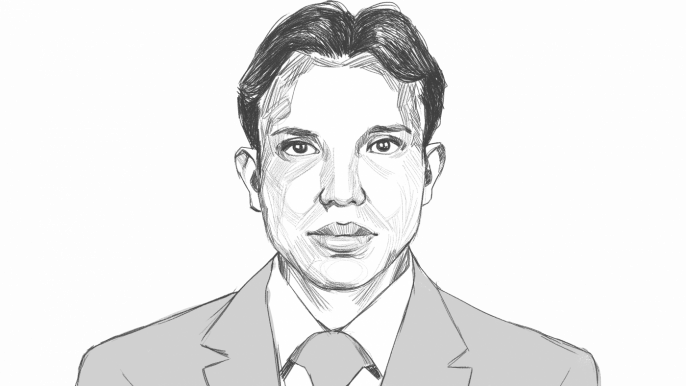
Mazharul Islam,
Corporate Legal Practitioner,
Member of Harvard Business Review Advisory Council.
He can be reached at mazhar@insightez.com