Building a Resilient and Human-Centered Future
As the workplace undergoes one of the most significant transformations in modern history, the rules of success are being rewritten. Technology, shifting global dynamics, and evolving employee expectations are reshaping how organizations operate. To thrive in this new paradigm, companies must go beyond reacting to change and instead develop resilience, agility, and a human-centered approach to work.
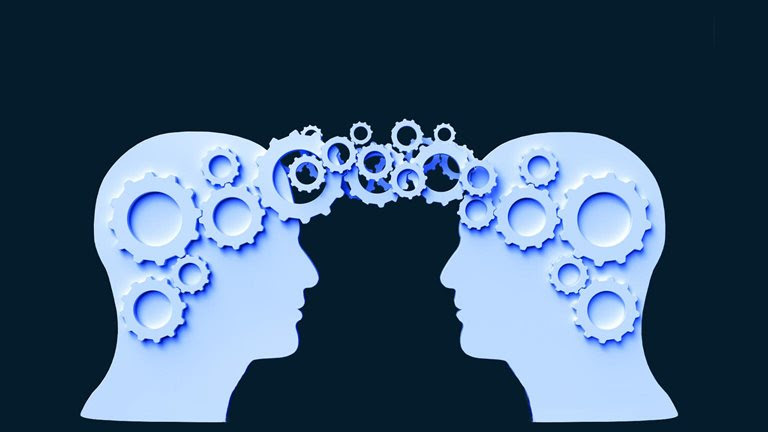
The Fusion of Humans and Technology
Technology continues to redefine roles, processes, and business models, but the true differentiator lies in how effectively humans and machines work together. According to McKinsey research, upskilling is the single most effective way to bridge the widening gap between digitally fluent and non-technical workers. Instead of focusing solely on adopting new technologies, organizations must invest in helping employees learn, adapt, and collaborate with these tools.
Companies that embrace this partnership mindset will unlock new efficiencies, creativity, and innovation. AI, automation, and digital platforms are powerful enablers—but only when paired with a workforce empowered to leverage them.
Leadership Redefined
Leadership in this era demands more than authority; it requires connection, adaptability, and foresight. Today’s leaders face a volatile mix of external and internal pressures—from trade disruptions and geopolitical uncertainty to organizational restructuring. Yet the most successful leaders are those who engage deeply with their people, fostering autonomy, trust, and shared purpose.
This shift calls for leaders who prioritize inner work and intentional learning, embedding purpose into daily practices. They must help teams navigate uncertainty not by issuing commands but by cultivating psychological safety, enabling faster decision-making, and empowering employees to take ownership of outcomes.
The Human-Centered Organization
Resilience and well-being are no longer “soft” issues—they are strategic imperatives. Research shows that employees who feel supported in their health and development are not only more productive but also more loyal and innovative. Thriving organizations are those that create conditions where people can balance performance with personal growth.
Wellness initiatives, flexible work models, and opportunities for continuous learning are now integral to business strategy. In other words, success lies not in extracting the maximum from employees, but in enabling them to flourish.
Building the Leadership Engine
To meet these demands, organizations need a system of leadership development that is as dynamic as the environment around them. McKinsey emphasizes the importance of building a “leadership engine”—a scalable, adaptable system that equips leaders at all levels with the skills to manage complexity, inspire teams, and drive sustainable growth.
This requires:
Embedding leadership development into the flow of work.
Creating cross-functional opportunities to test agility.
Aligning leadership behaviors with organizational purpose.
By doing so, companies not only prepare for disruption but also ensure they can harness it as a catalyst for growth.
Thriving in a World of Rapid Change
The organizations that endure will not be those with the newest technologies or the strictest processes. They will be the ones that invest in people—developing their skills, protecting their well-being, and enabling them to evolve continuously.
In a fast-changing job market, agility is no longer optional. Companies must design systems that anticipate change rather than react to it. This includes rethinking HR strategies, investing in future-ready skills, and ensuring technology adoption is always accompanied by human development.
Final thoughts
The new world of work is not defined solely by what organizations do—it is equally shaped by how people adapt. Success now depends on creating workplaces that are resilient, human-centered, and future-ready. By fusing human potential with technological capability, redefining leadership, and prioritizing well-being, companies can navigate uncertainty with confidence.
Ultimately, the organizations that excel will be those with the foresight to invest not just in technology, but in people—the most enduring source of resilience, innovation, and growth.

Mazharul Islam,
Corporate Legal Practitioner,
Member of Harvard Business Review Advisory Council.
He can be reached at mazhar@insightez.com